
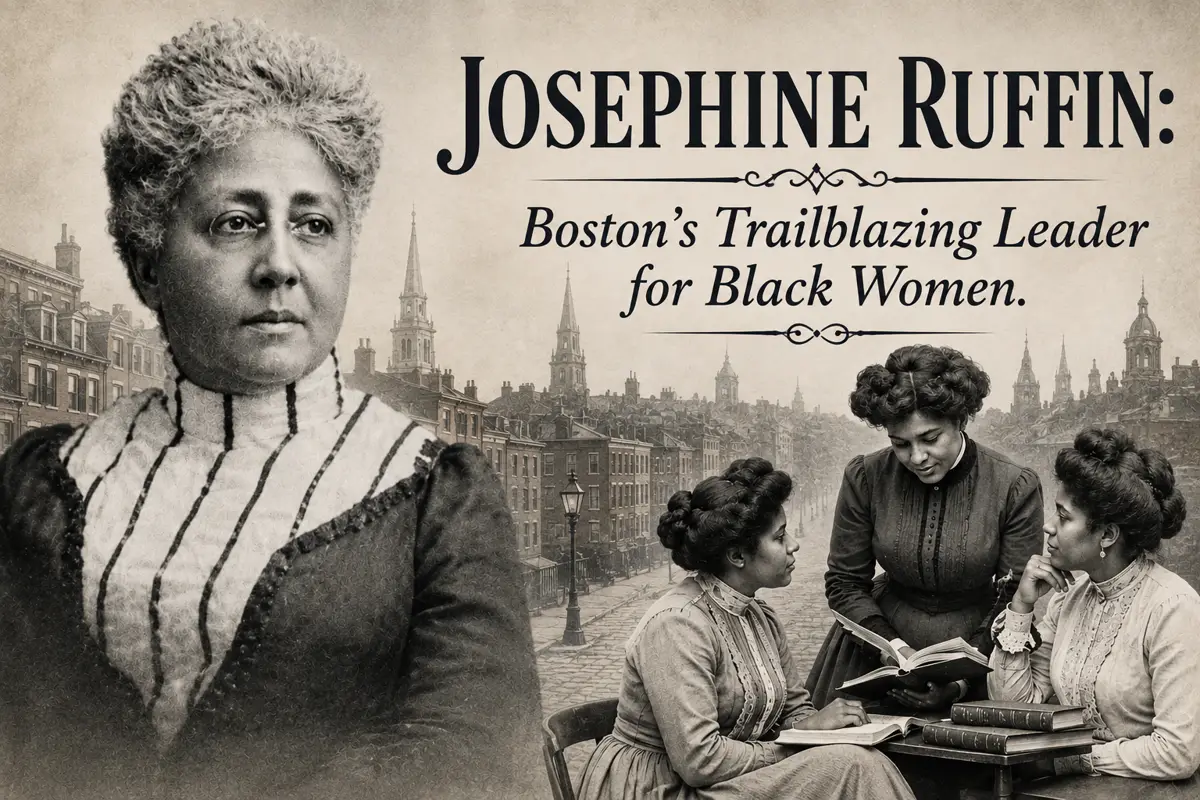
 Josephine Ruffin (1842-1924) was a noted supporter of the Union Army during the Civil War, head of charitable efforts, suffragist, publisher and organizer for women’s rights through club activity.
Josephine St. Pierre Ruffin was born in Boston on Aug. 21, 1842 to John St. Pierre, a relatively prosperous clothier, and Elizabeth (nee Menhenick). Her father—of African, Native American and French ancestry—was from the Caribbean island of Martinique, while her white mother came from England. She initially attended desegregated public schools in Charlestown and Salem in Massachusetts and a private “finishing school” in New York City. She completed her education at the Bowdoin School in the West End of Boston (now considered Beacon Hill) in 1857.
Marriage and Children
She then married George Lewis Ruffin on June 30, 1858 in Boston. Ruffin, initially a barber, had the distinction of becoming the first Black man to graduate from Harvard Law School in 1869. His other accomplishments included: one of the first Black men to serve in the Massachusetts House of Representatives (1870); the first elected to the Boston City Council (1876); and the first appointed judge in Massachusetts (1883), serving on the Charlestown Municipal Court. The couple had five children.
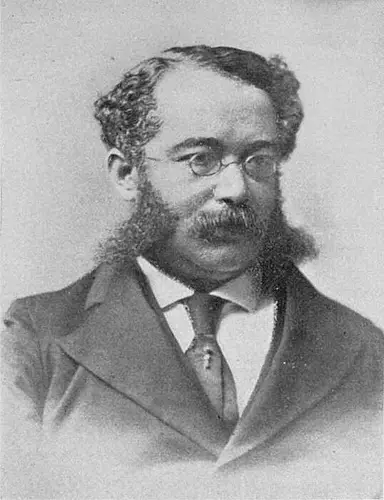
George L. Ruffin, from barber to Harvard to judge
The Ruffins soon collaborated on recruiting Black soldiers to serve in the 54th and 55th Massachusetts Regiments. They then volunteered with the federal Sanitary Commission to aid disabled soldiers in the Civil War.
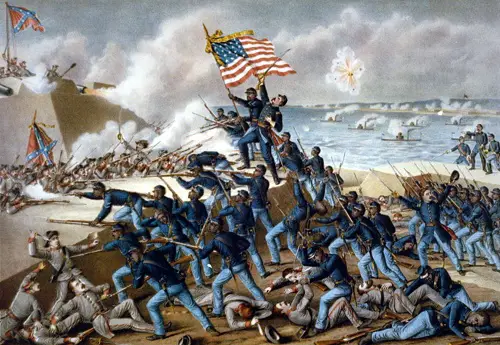
The 54th Massachusetts Volunteer Infantry leading the Union assault on Fort Wagner on July 18, 1863.
After the Civil War ended, Josephine Ruffin took leading roles in various endeavors. In 1869 she cofounded the American Woman Suffrage Association in Boston, which advocated for voting rights. The other founders were Julia Ward Howe (who also wrote the Battle Hymn of the Republic) and Lucy Stone. In 1870 she joined the Massachusetts Woman Suffrage Association. She also cofounded the Massachusetts School Suffrage Association in 1880, which pushed for women to vote in school committee elections.
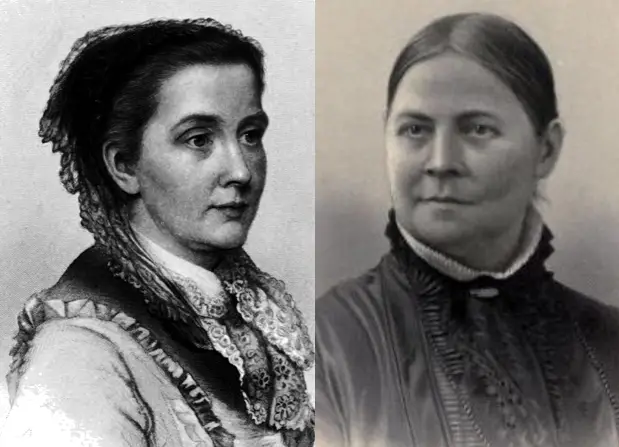
Josephine Ruffin cofounded the American Woman Suffrage Association with Julia Ward Howe and Lucy Stone.
Josephine Ruffin Organizes
Meanwhile, she found time to organize the Boston Kansas Relief Association in 1879. It gave food and clothing to former enslaved people willing to migrate from post-Reconstruction Southern states to Kansas. Kansas had become a free state in 1861.
Following the death of her husband in 1886, she helped create the West End Suffrage League in Boston in 1887, serving as the first president. Two years later, she became a member of the Colored National League in Boston to promote the general welfare of the Black community.
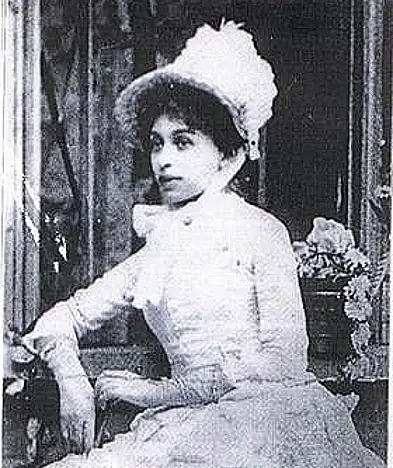
Florida Ruffin Ridley
In 1890 Ruffin and her daughter, Florida, founded the Woman’s Era (1890-1897) in Boston, the first newspaper for Black women in the United States. It was geared to mostly wealthy and professional Black women readers. It included articles about women’s suffrage, racial inequality, achievements of Black women, Black women’s clubs and domestic matters.
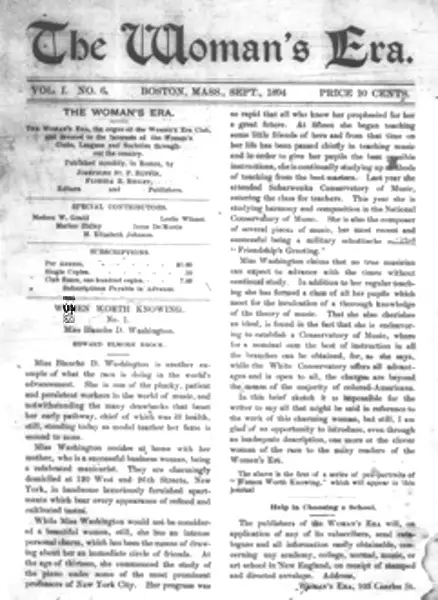
“The Women’s Era,” featuring “Women Worth Knowing–Miss Blanche D. Washington”
In 1894 Ruffin, Florida and several other women formed the Woman’s Era Club, the first club for Black women in Boston. The New England Women’s Club, founded in 1868 for well-to-do white women, served as its template. Thus, it provided a place to discuss political, social, cultural and educational issues and served as a source of community support (e.g., scholarships for Black women).
The Ruffin Incident
On a broader level, Ruffin organized the first National Federation of Afro-American Women in 1895. A year later it merged with the Colored Women’s League to form the National Association of Colored Women.
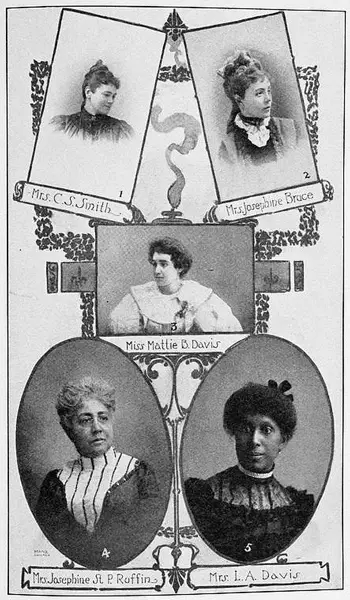
Images of officers of the National Associaation of Colored Women, from a 1902 book. “The Colored American: From Slavery to Honorable Citizenship.” Josephine Ruffin, bottom left, is described as “”editor of “Women’s Era” and a recognized leader.”
At some point in the mid-1890s, Ruffin became the first Black member of the New England Women’s Club and the first Black member of the Women’s Press Association. In 1900, as a member of these groups and the Woman’s Era Club, Ruffin sought attendance at a meeting of the General Federation of Women’s Clubs to break its color barrier. However, when Southern leaders discovered that all members of the Woman’s Era Club were Black, Ruffin was denied entrance. She could have been seated as a member of the other groups, but decided to leave. This “Ruffin Incident” received widespread criticism in newspapers throughout the U.S.

The General Federation of Women’s Clubs adopted the motto “Unity in Diversity” in 1890
Josephine Ruffin Keeps Organizing
Ruffin continued to form groups to help Black people. She cofounded in 1899 the Association for the Promotion of Child Training in the South to provide kindergarten education for Black children in cities in southern states. She also helped to create the Boston chapter of the National Association for the Advancement of Colored People in 1910, the first local chapter in the country. In 1918 she and Florida co-founded the League of Women for Community Service to provide charitable, educational and social services for Black families.
After working for decades to secure voting rights for women, Ruffin finally saw a major milestone in 1920 when the 19th Amendment to the U.S. Constitution was ratified.
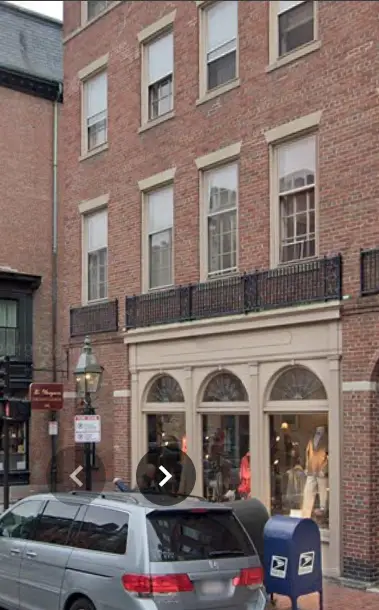
Josephine Ruffin’s house at 103 Charles St., as it appeared on Google Maps in 2021. She held meetings of the Women’s Era Club here.
Josephine Ruffin died on March 13, 1924, from inflammation of the kidneys. Both she and her husband—who also died from kidney inflammation—are buried in Mount Auburn Cemetery in Cambridge, Mass.
Edward T. Howe, Ph.D. is Professor of Economics, Emeritus, at Siena University near Albany, N.Y.
* **
 Now available in paperback and as an ebook from the New England Historical Society! A collection of stories about the French people who came to America. Click here to order your copy today!
Images: Josephine Ruffin Fair use, https://en.wikipedia.org/w/index.php?curid=1188894; Florida Ruffin Ridley By Unknown – Original publication: UnknownImmediate source: http://www.meadville.edu/uploads/files/218.pdf, Fair use, https://en.wikipedia.org/w/index.php?curid=49244546. 103 Charles St., courtesy Google Maps. Featured image by ChatGPT.