
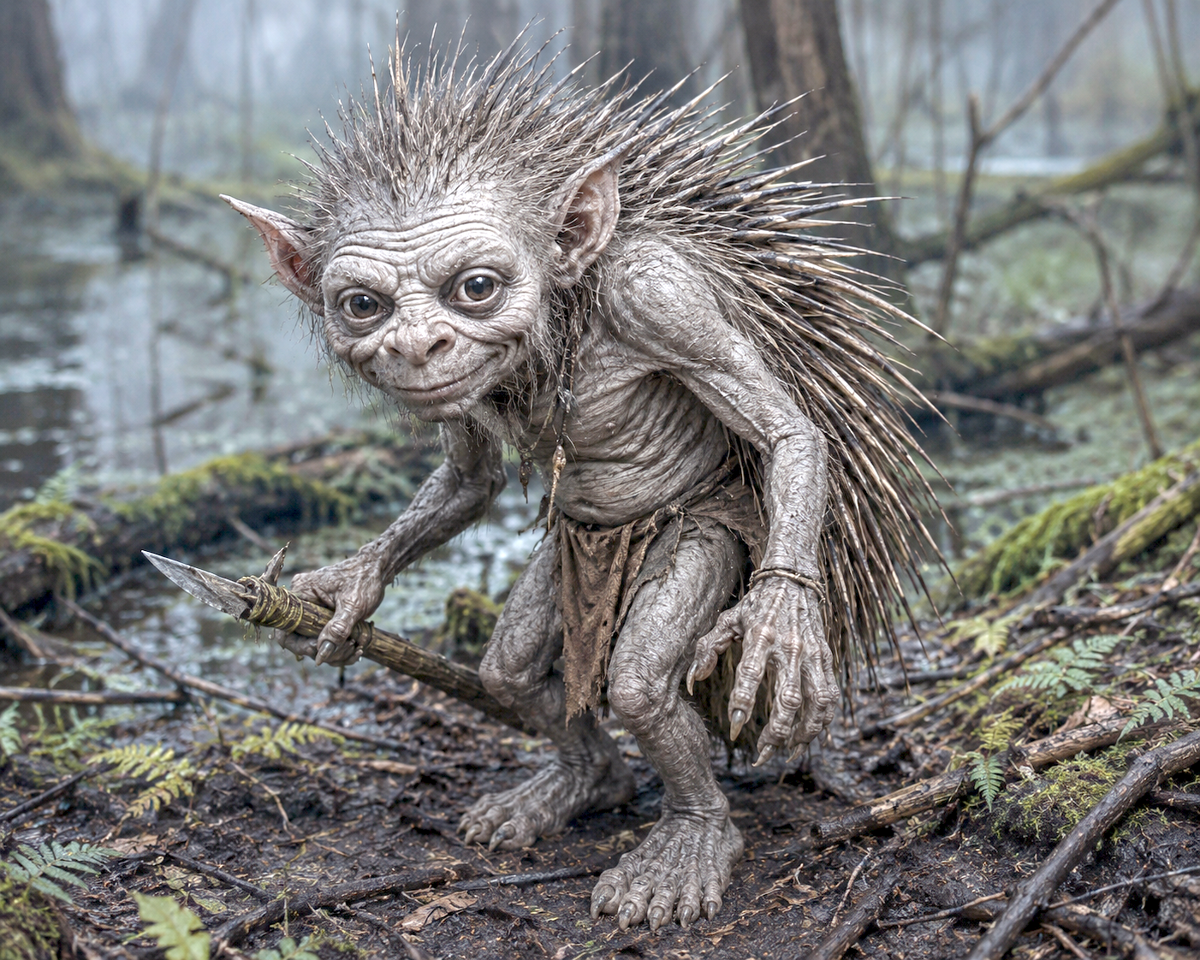
The Pukwudgies still haunt the Bridgewater Triangle.
At least that’s what generations of people in southeastern Massachusetts have believed. Long before reports of strange events and sightings made the Triangle famous, the Wampanoag told stories of the Pukwudgies, small woodland creatures whose jealousy of the giant Maushop turned them into dangerous adversaries. Their legends centered on Hockomock Swamp, a dark wetland known as the “place where the spirits dwell.” The 26.5-square-mile swamp is the largest freshwater swamp in the commonwealth.
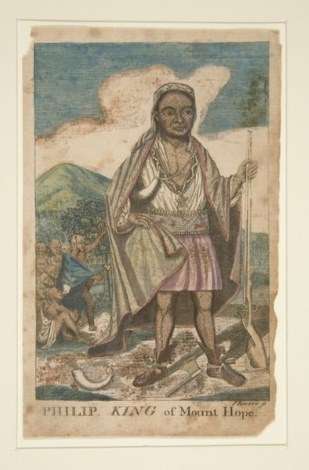
King Philip, or Metacomet
For centuries the dark wetland served as hunting ground, refuge and battlefield. During King Philip’s War, Native people used the swamp as a base of operations. Later English settlers, less comfortable with the mysterious landscape, gave it a different name: Devil’s Swamp.
The Bridgewater Triangle
Today Hockomock Swamp sits at the center of the Bridgewater Triangle
The Triangle, a roughly 200-square-mile region in southeastern Massachusetts, stretches from Abington to Freetown to Rehoboth. Over the years, people have reported seeing everything from ghosts and strange lights to giant birds, Bigfoot-like creatures and UFOs. But among all the legends associated with the Triangle, none have endured longer than the stories of the Pukwudgies.
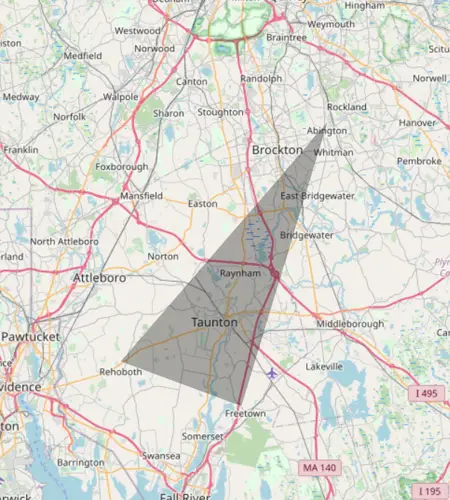
Bridgewater Triangle
Pukwudgies
The Wampanoag described Pukwudgies as small, human-like creatures standing just two or three feet tall. They had gray skin, troll-like faces and, according to some accounts, a surprisingly sweet smell. Seen from behind, they resembled porcupines. They could also disappear at will and change shape when it suited them.
Their name has been translated as “little wild men of the woods who vanish.”
According to Wampanoag tradition, the Pukwudgies did not always hate people. In the distant past, they lived alongside humans and occasionally even helped them. When treated kindly, they might perform chores or offer assistance. More often, however, they amused themselves by playing tricks, turning invisible and creating mischief.
The relationship changed because of jealousy.
The Pukwudgies in Exile
The Wampanoag had great affection for a giant culture hero named Maushop and his wife, Granny Squannit. The Pukwudgies resented the attention paid to Maushop and eventually took their revenge by killing his five sons.
Maushop responded by driving the Pukwudgies into exile across North America. Some stories place them in Delaware, Prince Edward Island, Indiana and Massachusetts. The exiles never forgot the humiliation.
After that, the Pukwudgies grew dangerous.
Wampanoag lore warned that they could lead travelers astray, cloud their memories or lure them into the woods with mysterious lights. Some stories claimed they persuaded people to leap from cliffs. Others said they attacked with short knives, poisoned arrows or even transformed themselves into bears.
Whether taken literally or as cautionary tales, the stories reflected a simple truth about the wilderness: people who wandered into unfamiliar woods sometimes never came back.
That idea survives in the Bridgewater Triangle today.
Pukwudgie Mating Season
The legends never entirely disappeared.
Just south of Hockomock Swamp in the dense woods of Freetown State Forest, campers and hikers still swap tales that sound remarkably like the old stories of the Pukwudgies.
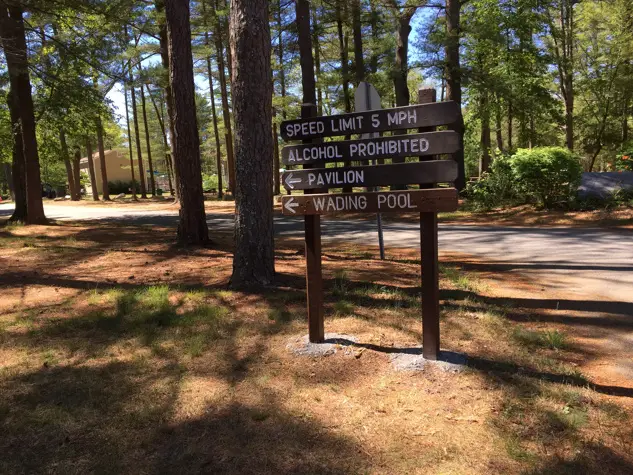
Sign at Freetown-Fall River State Park, Massachusetts.
The creatures have become such a fixture of local folklore that on April 1, 2017, the Freetown Police Department announced it had installed a roadside sign reading “Pukwudgie Xing” near the forest. In a tongue-in-cheek Facebook post, police warned motorists that Pukwudgies could appear and disappear at will using their magical powers and noted that the sign would remain in place only during Pukwudgie mating season—which, they explained, began and ended on April Fools’ Day.
Whether viewed as supernatural beings or simply characters from an enduring Native American legend, the Pukwudgies remain woven into the folklore of southeastern Massachusetts. Centuries after Maushop supposedly banished them, the little wild men of the woods still inhabit one of New England’s most mysterious landscapes.
***
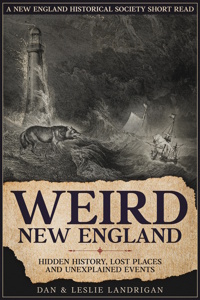 This story appears in our new Kindle Short Read, Weird New England: Hidden History, Lost Places and Unexplained Events.
Images: Bridgewater Triangle By Lord Belbury – OpenStreetMap, ODbL, https://commons.wikimedia.org/w/index.php?curid=94240385. Featured image by ChatGPT. Freetown State Forest By Kenneth C. Zirkel – Own work, CC BY-SA 4.0, https://commons.wikimedia.org/w/index.php?curid=49870009