
 From the Republic of Vermont (1777-91) and into statehood, Vermont has continuously had assistant
judges in the county courts. It is the only U.S. state that has these elected positions. These county judges exercise both judicial and administrative functions in each of the 14 counties. However, over time their judicial role has been greatly reduced.
Reining in the Outsiders
Before the Republic of Vermont existed, the territory known as the New Hampshire Grants was fought over by New Hampshire, New York and Massachusetts. The professional judges, who came from outside the area, were unfamiliar with local knowledge of acceptable standards of behavior and facts about various cases. Vermonters subsequently acquired mistrust of these outside judges as rulings went against them.
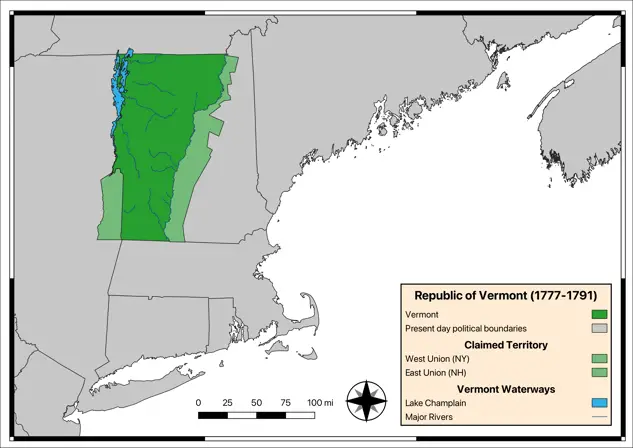
After the Vermont Constitution was adopted in 1777, the republic created untrained assistant county court judges to counter this tendency.
In 1781, the independent Republic of Vermont created four new counties to supplement Bennington County (created in 1778). The new counties were Orange, Rutland, Windham and Windsor. In 1782, county courts were first created for all five counties by the Legislature. During the same year, voters elected a chief judge and four assistant, or side, judges in each county. Between 1786 and 1850, the assistant judges were then elected by the Legislature and Governor’s Council for one-year terms. They have been elected for four-year terms since 1924.
Side by Side
At the outset, the assistant judges and the chief judge were not required to be lawyers. Two of the side judges sat on either side of the chief judge in hearing civil, criminal and probate matters. At times, these assistant or side judges overruled the chief judge. In a jury trial, assistant judges could overrule the chief judge on the law, as facts were determined by the jury. In a nonjury case, assistant judges could overrule the chief judge on facts and the law.
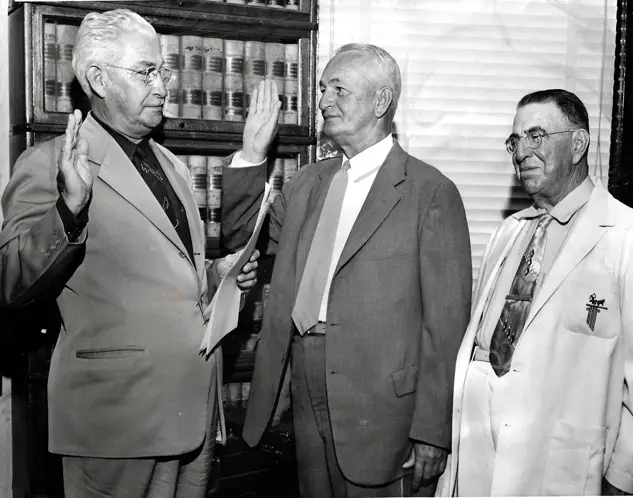
Olin M. Jefforts takes the oath as chief justice of the Vermont Supreme Court from Judge Flem C. Dame in 1955. Retired Vermont Associate Justice Allen R. Sturtevant serves as witness.
Supreme Court justices replaced the chief county court judges in 1825. They traveled to the county courts as the presiding judges several times a year. In addition, the number of side judges in each county was cut from four to two.
Ever since 1825, the judicial role of assistant county court judges has waned. Although still coequal with a new legally trained presiding judge, they would defer but not surrender their voting role. After 1906 this deference continued as superior court judges replaced supreme court judges as presiding officers.
Meanwhile, an 1850 amendment to the Vermont Constitution used the term “assistant judges” for the first time. As noted, they were to “be elected by the freemen of their respective counties.” Thus, the judges expressly had the backing of the Constitution in the performance of their legislatively approved duties.
Assistant Judges Lose Some Clout
After 1970, the powers of the assistant judges dramatically declined. In 1974. an amendment to the Vermont Constitution threatened the judicial powers of the assistant judges. It said the Legislature determined their powers. That suggested they could be retained, increased, reduced or eliminated.
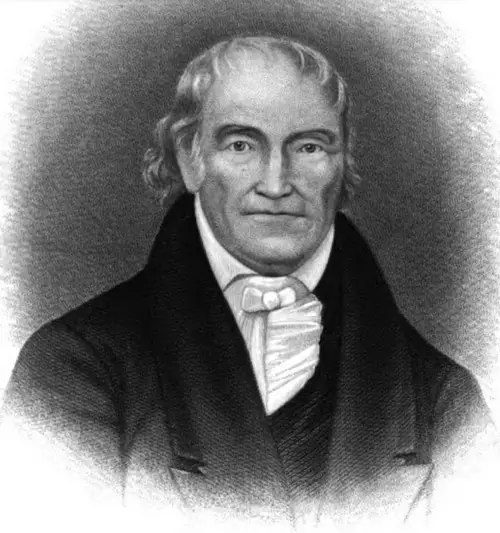
Jonas Galusha served as an assistant judge in Bennington County from 1800-06 before becoming governor of Vermont.
Then the Vermont Supreme Court initiated a decrease in their powers through a series of court decisions. In 1976, the court ruled that assistant judges could not decide questions of law in jury trials. In 1983 they could not decide equity cases (e.g., trust and estate cases). The Vermont Supreme Court did uphold the right of assistant judges to overrule the presiding judges in two murder trials in the mid-1980s. However, public outcry led the Legislature in 1990 to prohibit assistant judges from participating in criminal sentencing, plea bargain cases and civil jury trials.
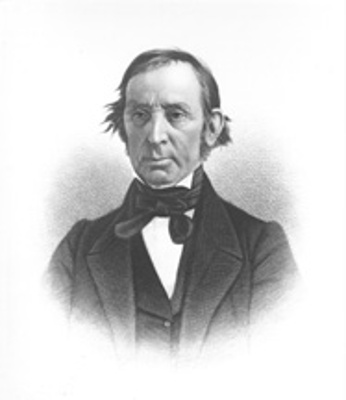
Samuel Crafts, assistant judge of the Orleans County Court from 1800 to 1810 and 1825 to 1828. He also served as governor, congressman and U.S. senator.
In 2010, Vermont enacted a sweeping reorganization of its trial courts. Each of the 14 counties now has a
state Superior Court that administers civil, criminal, family and probate court divisions. All of which is under the Vermont Supreme Court. Thus, independent county courts were eliminated.
The role of side judges under the 2010 reorganization was further clarified and reduced. They can still sit beside a presiding judge in non-jury civil and family cases to determine facts and could overrule the presiding judge on factual matters. In addition, they can independently listen to and adjudicate cases involving some small claims, traffic violations, civil ordinances, uncontested divorces and legal separations — with training. They did lose the right to hear juvenile cases.
Assistant Judges Have Another Role
Since county courts were created in 18th-century Vermont, assistant judges have also overseen county affairs.
Thus, they continue to oversee the county courthouse and related buildings and grounds, prepare and execute the county budget, impose taxes on towns to finance the budget, and appoint county officials (e.g., clerks, treasurers, auditors). Thus, the side judges are compensated by the state for their court service and by the county for their administrative duties.
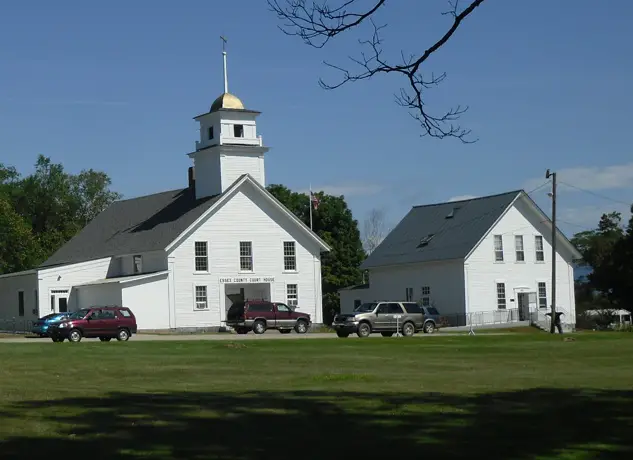
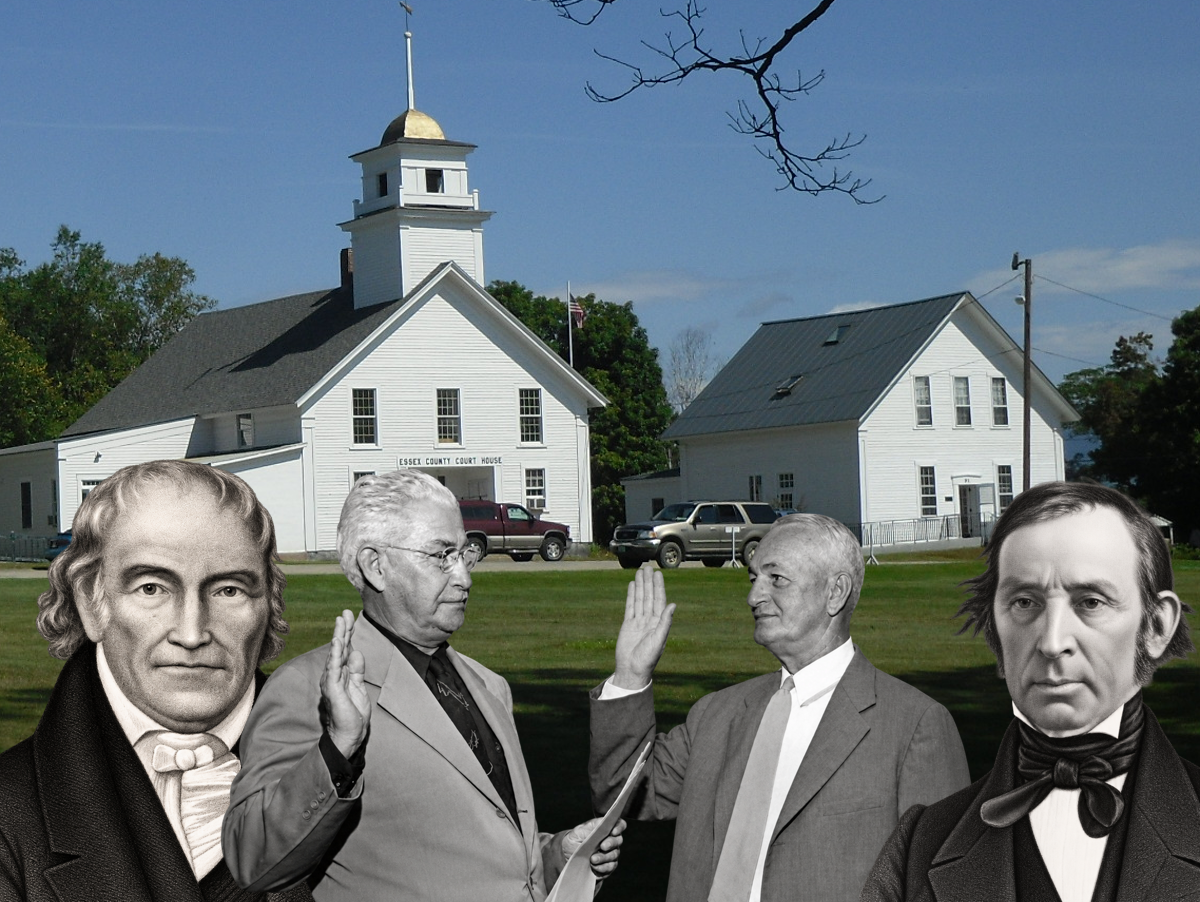
Essex County Courthouse and the old courthouse in Guildhall, Vt.
Connecticut and New Hampshire were the only other New England states that historically have had untrained assistant county court judges sitting with a legally trained presiding judge. The other states did historically use untrained judges, but not the Vermont model. Connecticut and New Hampshire moved to a system of trained judges in their legal systems in the 19th century.
Edward T. Howe, Ph.D. is Professor of Economics, Emeritus, at Siena University near Albany, N.Y.
***
Hundreds of curious facts and surprising stories from all six New England states. click on the image to order your copy today!
Images: Republic of Vermont By Pubhouseburly – Own work, CC BY-SA 4.0, https://commons.wikimedia.org/w/index.php?curid=171190335. Essex County Courthouse By Doug Kerr from Albany, NY, United States – Guildhall, VermontUploaded by Magicpiano, CC BY-SA 2.0, https://commons.wikimedia.org/w/index.php?curid=29774270.