
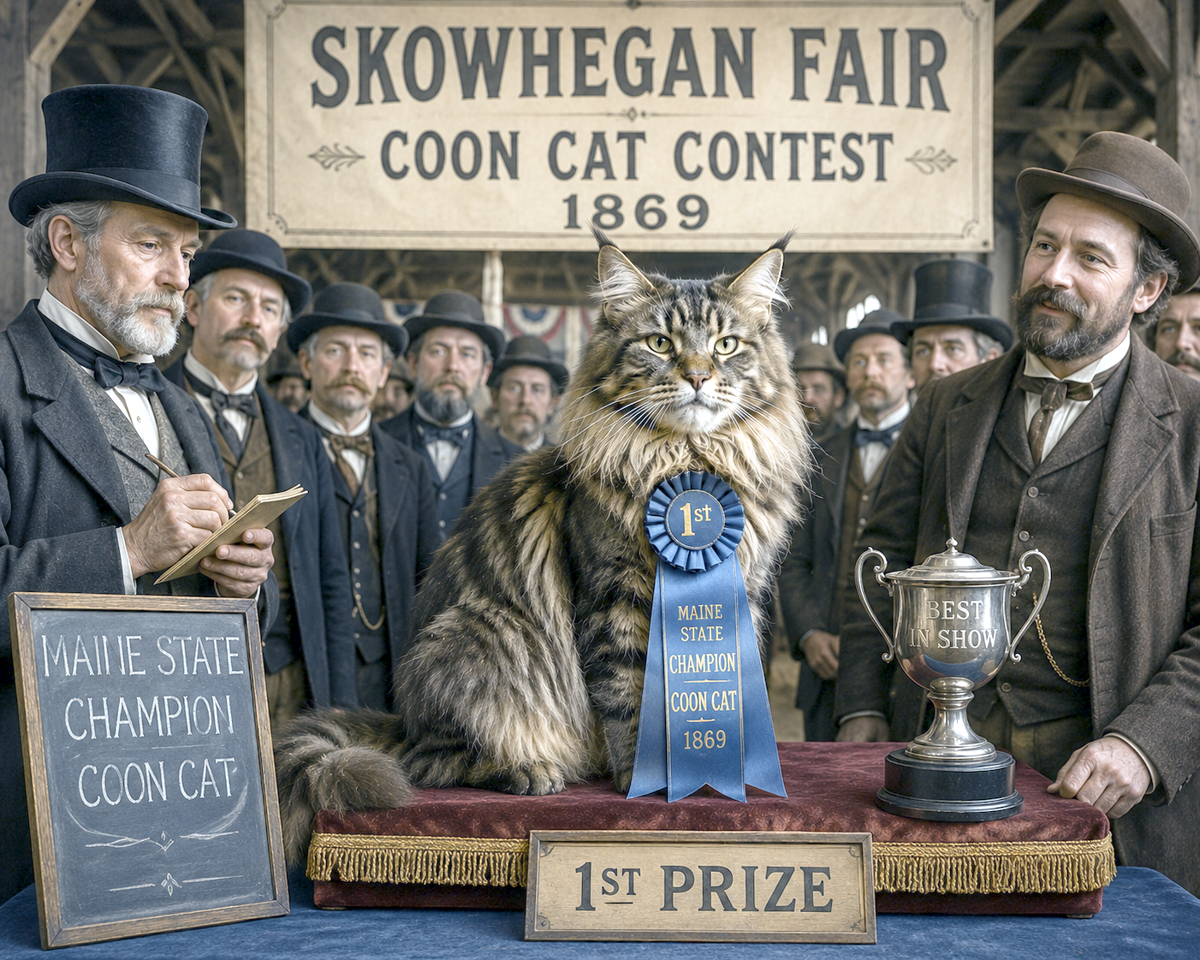
 When the English Puritans crossed the Atlantic to build their city upon a hill, they brought more than Bibles, woolens, farm implements and a dislike of anything festive. They brought domestic shorthair cats, including the ancestors of the Maine Coon cat.
We know this because geneticists have mapped the DNA of the modern Maine Coon and discovered its closest relatives are ordinary felines from the United Kingdom. Maine’s megacat started out as a humble Puritan mouser.
But over the centuries, myths have grown up around the Maine Coon’s origins. Some believe the Maine Coon resulted from a genetically impossible romance between a raccoon and a cat. Others think an ill-advised liaison with a bobcat or a Canadian lynx produced the breed.
Then there’s the Viking voyager theory—also untrue. Maine Coons did not come to America on longships.
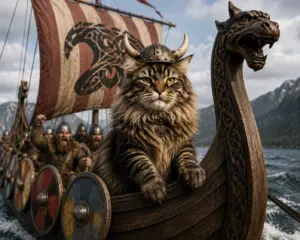
Never happened
Some claim they originated with Marie Antoinette’s prized longhaired cats. The doomed French queen sent her possessions to Wiscasset, Maine, hoping to flee the revolution and join them. While her furniture made it, she didn’t—and neither did a royal cat dynasty.
Survival of the Fluffiest
Before the Europeans arrived, North America didn’t have any domesticated cats. Sailors brought them to keep the rodent population under control. Eventually, some ordinary English cats ended up in the Maine wilderness, and they immediately got to work adapting.
The Maine Coon is what scientists call a landrace—a breed that developed entirely through natural selection to survive its environment. In fact, it is America’s only official landrace cat. (Our only other domestic landrace is the Pilgrim goose, Mount Holyoke College’s official mascot.)
They developed massive paws that act like snowshoes, complete with tufts of fur between their toes and inside their ears to prevent frostbite.
They evolved an absurdly long, bushy tail. When the cat sits on snow, it wraps the tail around its body like an insulated cushion. It’s less a “cat with a tail” and more a “tail with a cat attached.”
Then there’s the mullet. They have shaggy, waterproof fur long on the bottom and rear to repel snow, but short around the shoulders so they don’t get stuck in forest brambles.
To survive in the Maine wilderness, they got huge. Until breeders crossed a domestic cat with a wild African Serval to create the Savannah cat, the Maine Coon reigned as the largest cat on the planet.
In 2010, a Maine Coon named “Stewie” entered the Guinness World Records as the “Longest Cat,” measuring 48.5 inches from nose to tail. Sadly, Stewie passed away from cancer at age eight, but his legacy as a feline limousine persists.
Stewie was bigger
Gentle Giants
Though they look like they could fell a small deer, Maine Coon cats have docile temperaments. People sometimes call them puppy cats because they follow their humans from room to room, crave affection and can learn to follow orders.
They also have some quirky habits that suggest a raccoon in their ancestry. They sit up on their hind legs and use their front paws to scoop water out of their bowls.
The Maine Coon, America’s First Show Cat
By the middle of the 1800s, Maine farmers had grown quite proud of their giant cats.
In 1861, a Maine Coon owner named F.R. Pierce published a description of the breed in The “Book of the Cat,” producing the first known published use of the term “Maine Coon cat.”
Not long afterward, local bragging rights evolved into competition. Farmers entered their prized felines in the “Maine State Champion Coon Cat” contest at the Skowhegan Fair. That made the Maine Coon the nation’s first show cat.
They hit the big leagues in 1895 at Madison Square Garden’s first national cat show. A brown tabby Maine Coon named Cosey won “Best in Show” and walked away with a silver collar.
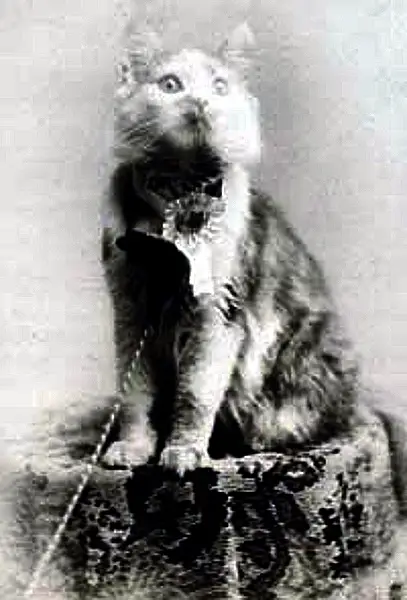
Cosey, The Champ
Then cat fashion intervened.
Fickle cat fanciers then shifted their obsession to purebred longhairs like Persians. The Maine Coon fell out of favor so fast that the breed vanished from the cat show circuit after a final win in 1911. By the 1950s, experts mistakenly declared the breed extinct.
The Maine Coon Cat Comes Back
Dedicated enthusiasts formed the Central Maine Cat Club in 1953 and began fighting discrimination against Maine Coon cats Oddly enough, one of the biggest turning points in the Maine Coon’s history had nothing to do with cats.
It was kitty litter.
Cat owners had relied on ashes, sand and sawdust for their pet’s toilet needs. None worked particularly well, and all tended to create an unpleasant reminder that a cat lived in the house.
The in 1947, a Michigander named Edward Lowe invented commercial kitty litter, and everything changed.
Cats moved indoors in far greater numbers. Cat ownership soared and breeding programs expanded. Interest in pedigreed cats exploded and cat shows multiplied.

Their efforts eventually paid off when the Cat Fanciers’ Association granted championship status to the Maine Coon in 1976—more than a century after Maine farmers first showed them at the Skowhegan Fair.
Today, the breed once thought extinct ranks among the most popular cats in the world.
The descendants of those hardy New England barn cats have appeared on postage stamps issued by countries around the world, including Azerbaijan and Belarus.
***

Learn how New England’s wild weather affected the course of history in “New England Weather” by the New England Historical Society. Click here to order your copy today.
Illustrations by ChatGPT.
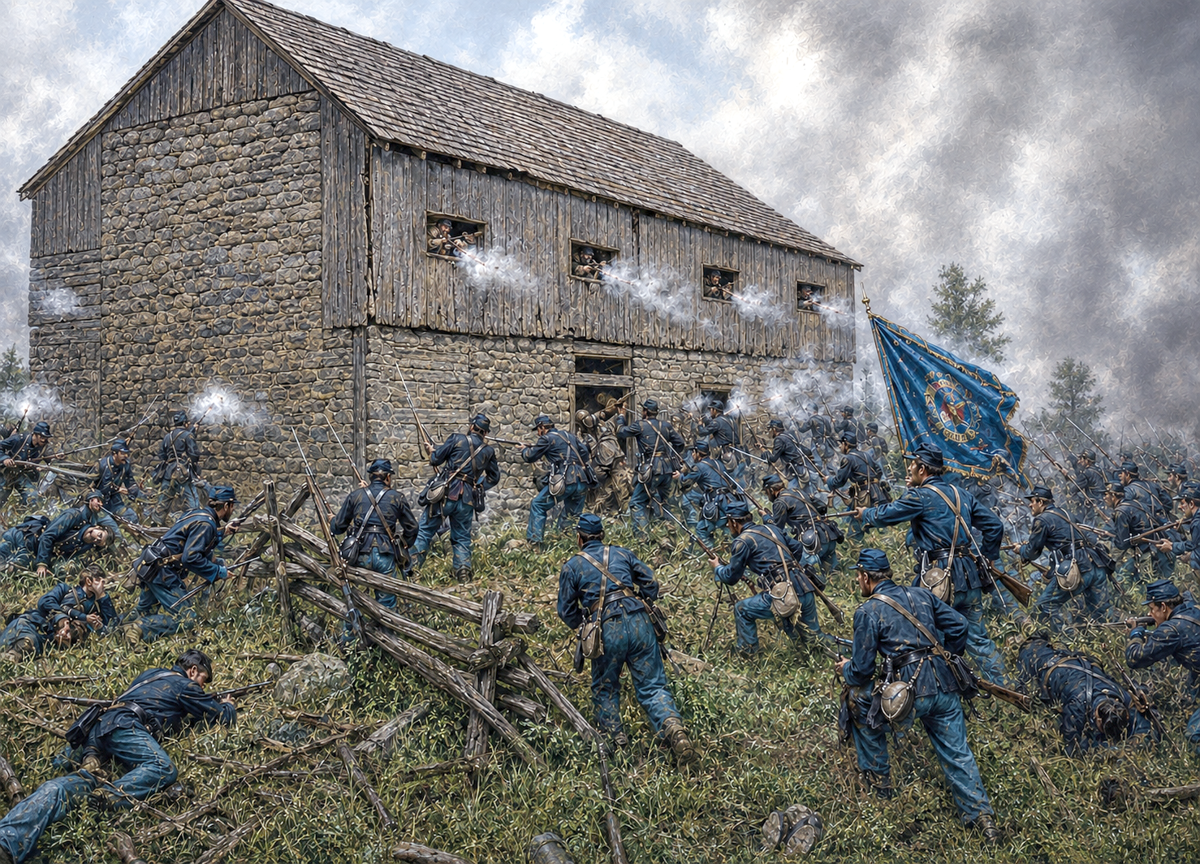
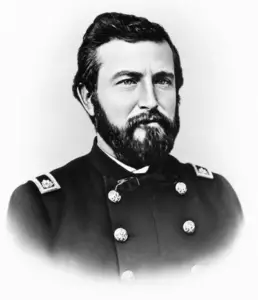
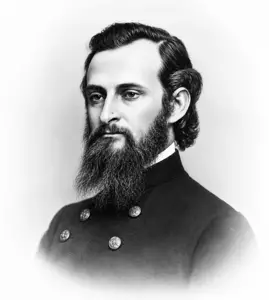
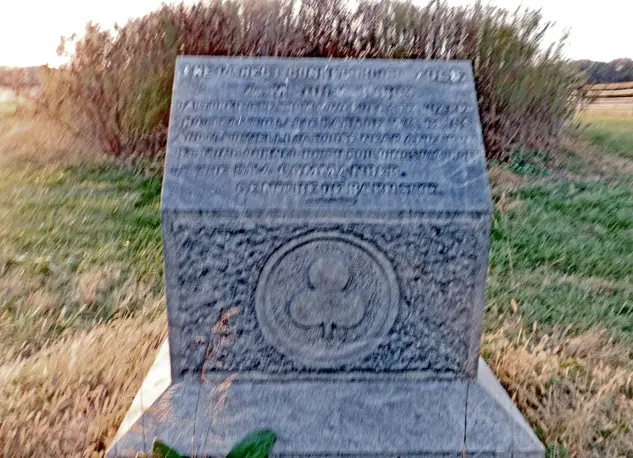
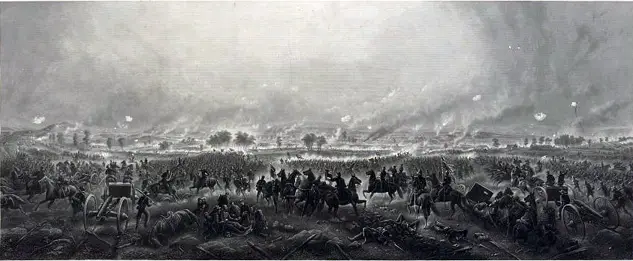
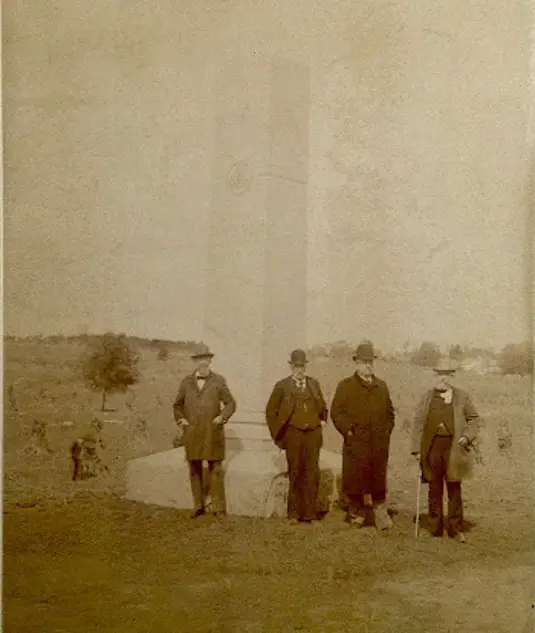
 The monument for the 14th Connecticut at Gettysburg is somewhat plain and doesn’t stand out among the other monuments on Cemetery Ridge. It sits to the right of center of the Union line near the extant Bryant farmhouse and is easily overlooked. But the monument marks the ground held by the regiment during two days of intense fighting.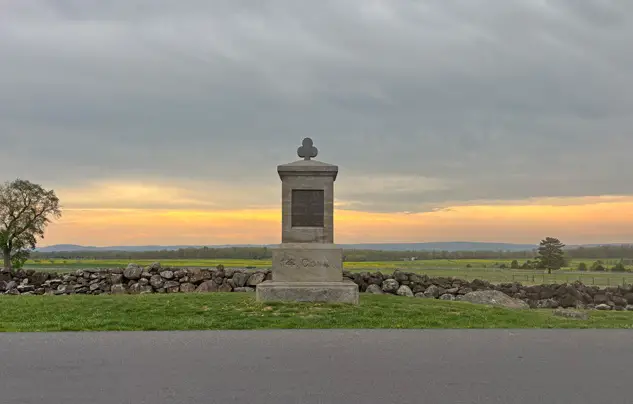
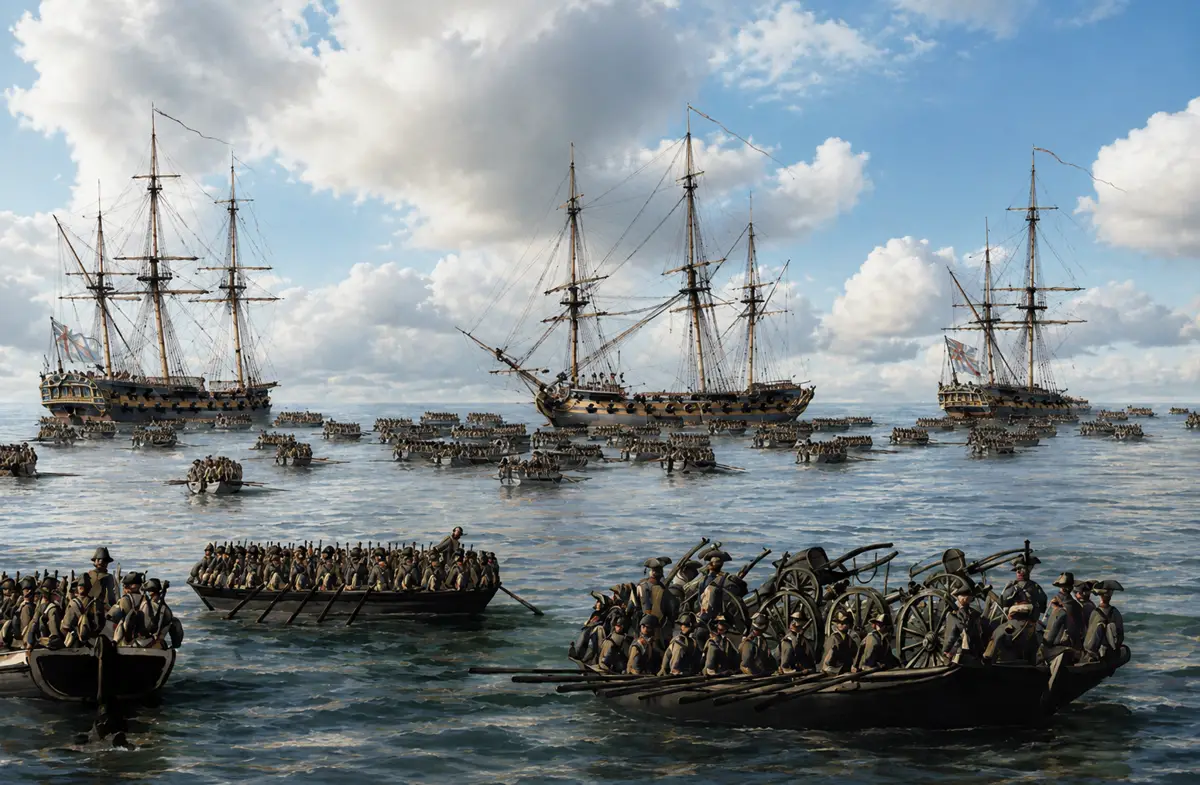
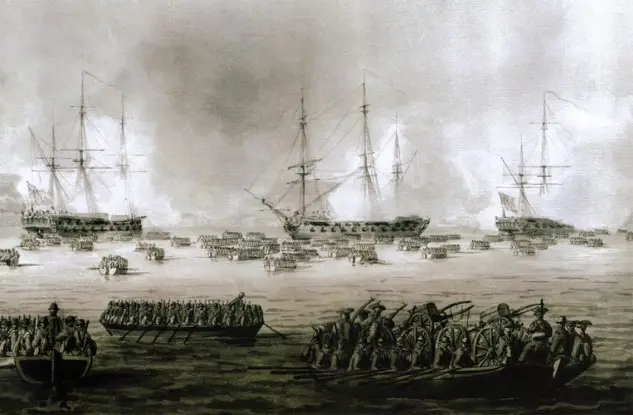
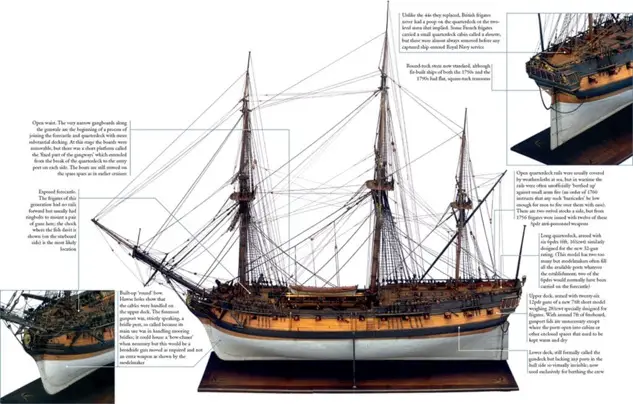
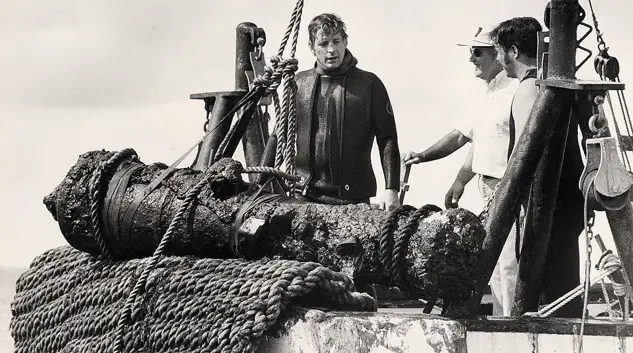
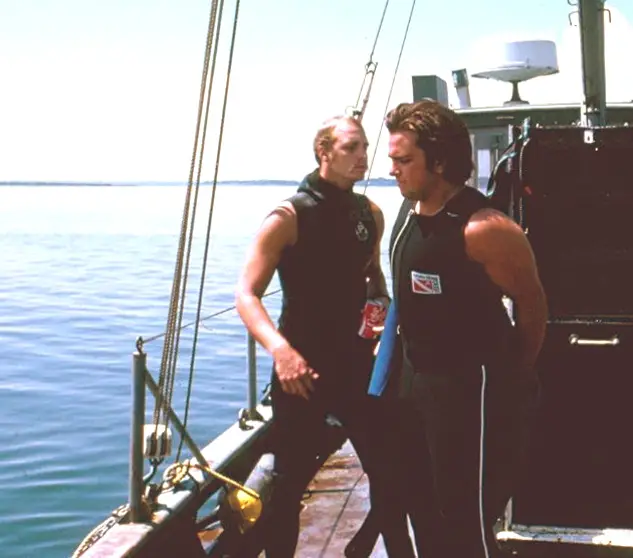
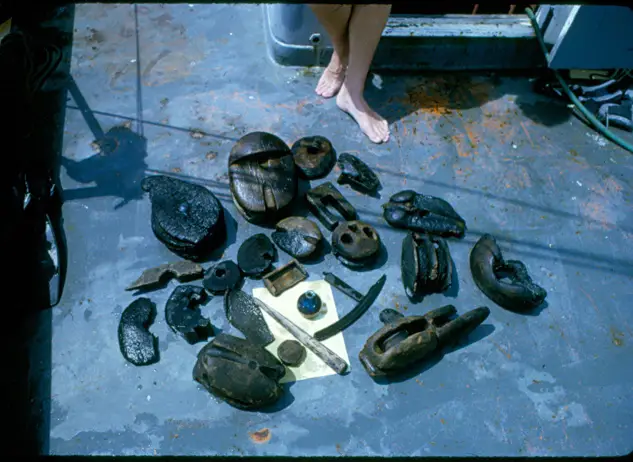
 British warships, including the frigate Orpheus, at the bottom of Narragansett Bay. For nearly 200 years, the vessels sat in the mud, completely forgotten. Then a curious University of Rhode Island student found two of the vessels. Today, you can visit artifacts from the frigate Orpheus at the Naval War College in Newport, R.I.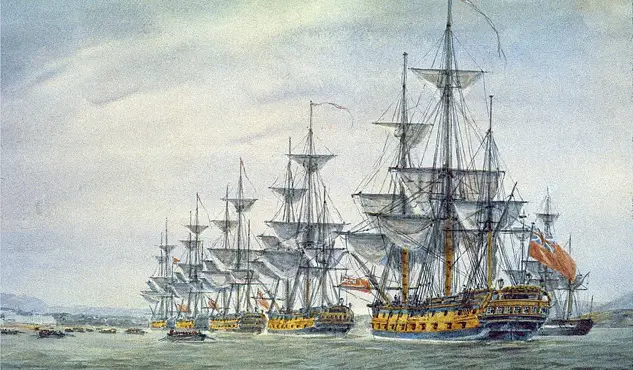

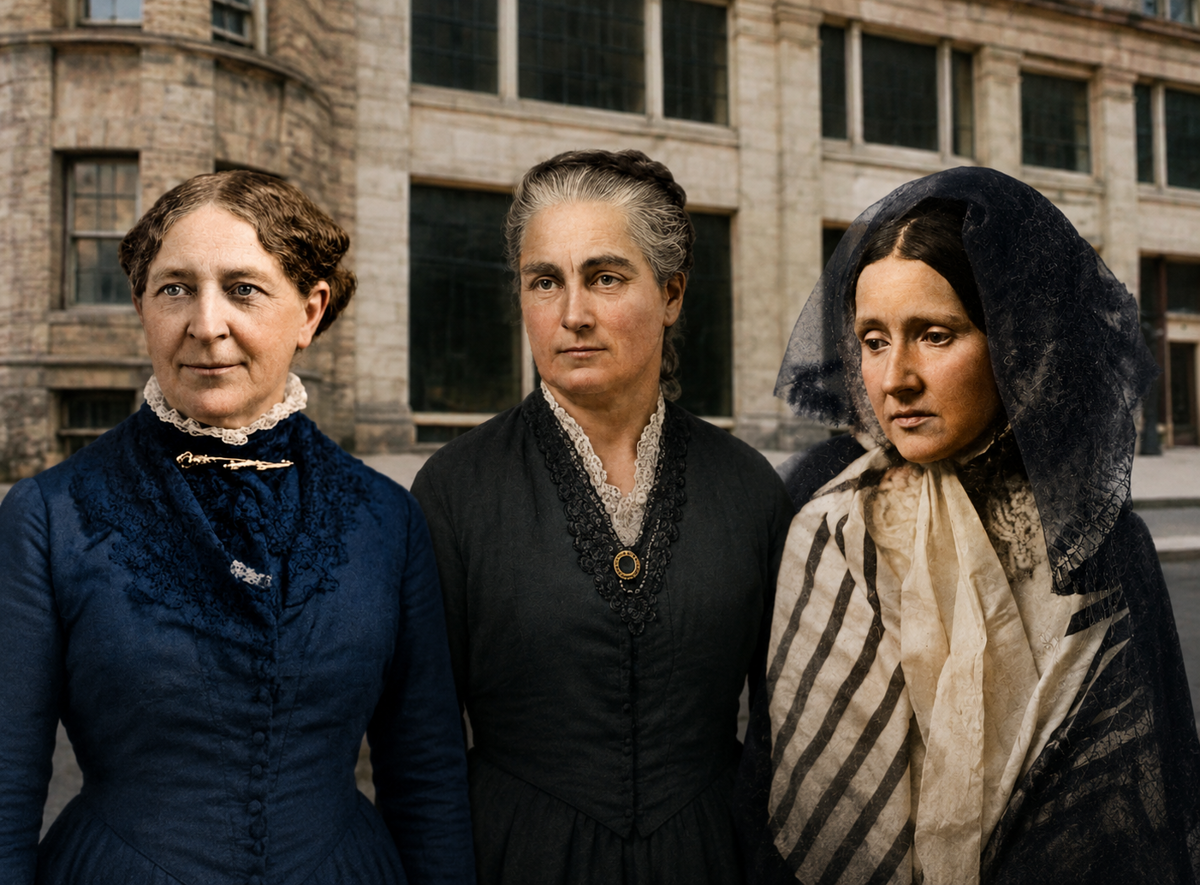
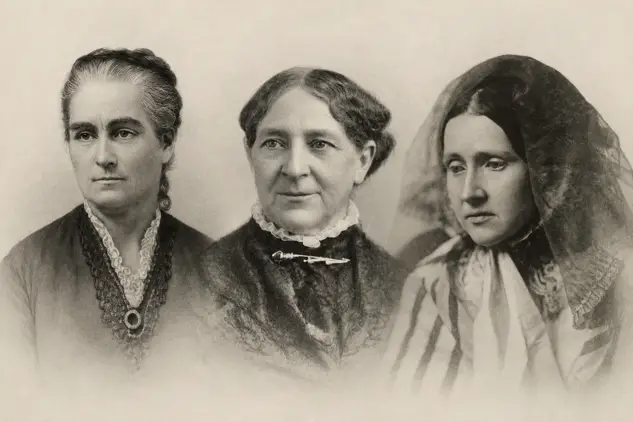
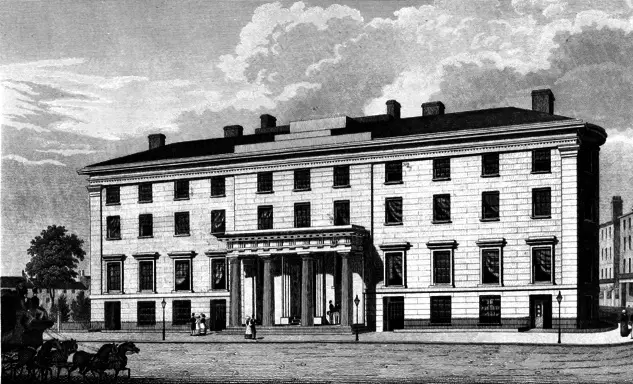
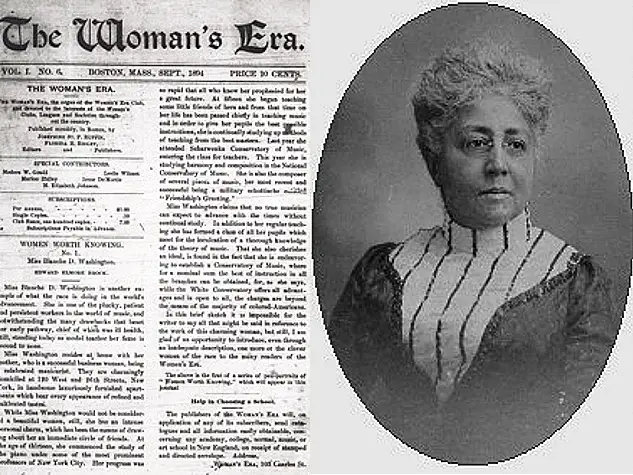
 The New England Women’s Club, formed in Boston in 1868, fostered social interaction through various activities designed for self-improvement. Although the pioneering club had its heyday in the late-19th and early-20th centuries, it lasted until the dawn of the 21st.


 During the 1830’s many New Englanders